What Is Sushi? A Simple Guide for First-Timers
The word sushi puts a lot of people off before they have tried it, almost always because they think it means raw fish. It does not.
The word refers to the rice — seasoned with vinegar, sugar and salt — and whatever happens to be sitting on or inside it. Plenty of what comes round our belt has never been anywhere near a raw ingredient.
The rice is the point
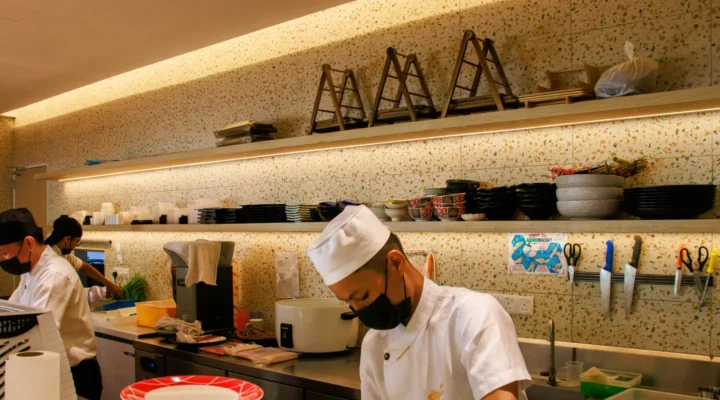
Get the rice wrong and nothing else can save it. It should be at roughly body temperature rather than fridge-cold, seasoned enough that you would happily eat it on its own, and pressed loosely enough that it falls apart in your mouth instead of in your fingers.
A chef spends years on this part and about four seconds on the topping. That ratio tells you most of what you need to know about where the skill actually sits.
The shapes of sushi you will see
- Nigiri — a slice of something draped over a small pressed bed of rice.
- Gunkan — rice wrapped in a collar of seaweed, so that loose toppings like roe or corn mayo have somewhere to sit.
- Maki — rolled in seaweed and cut into rounds, which makes it the easiest thing to share.
- Temaki — a cone you hold in your hand and eat straight away, before the seaweed softens.
- Inari — rice stuffed into a pocket of sweet fried beancurd. No fish whatsoever, and very often the first thing a child will eat voluntarily.
What if I do not eat raw fish?
Then you will still eat well, and you will not have to hunt for your options.
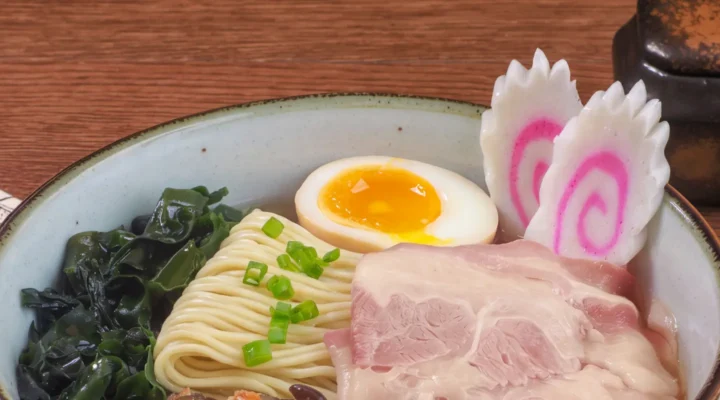
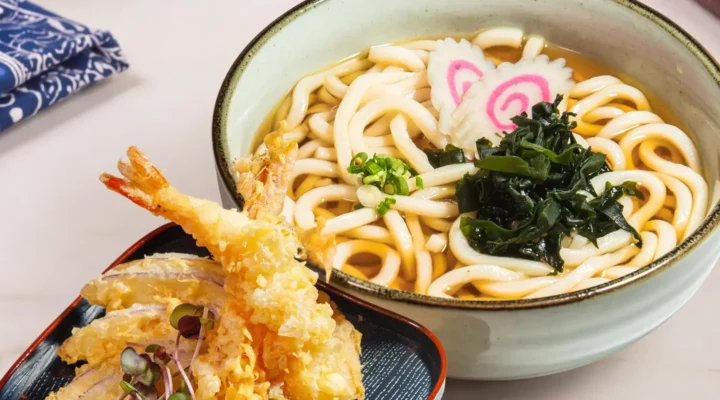
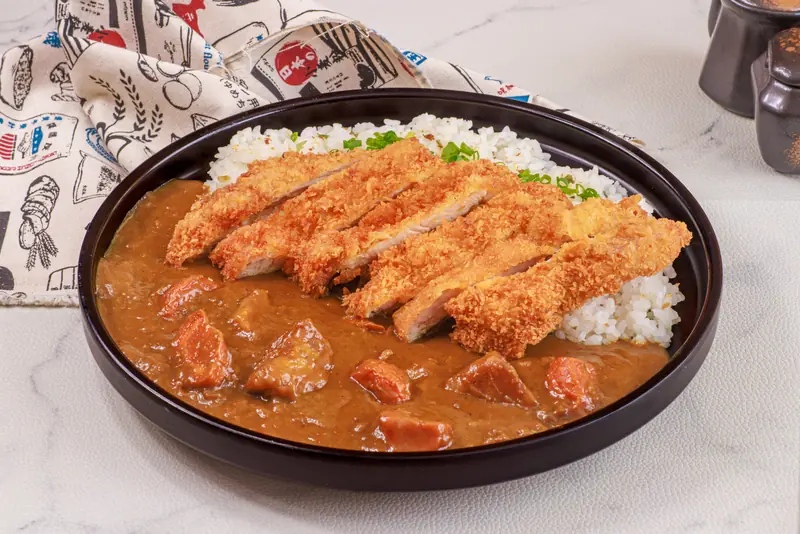
Tamago is sweet omelette. Inari is beancurd. Corn mayo gunkan is exactly what it sounds like. Unagi is grilled eel, cooked through and glazed. Tori katsu, karaage and tempura are all fried, and ramen, udon and curry rice are full hot meals that arrive at your table.
On any given day, more than half of what passes our belt is cooked. Nobody has to sit there nursing a drink while everyone else eats.
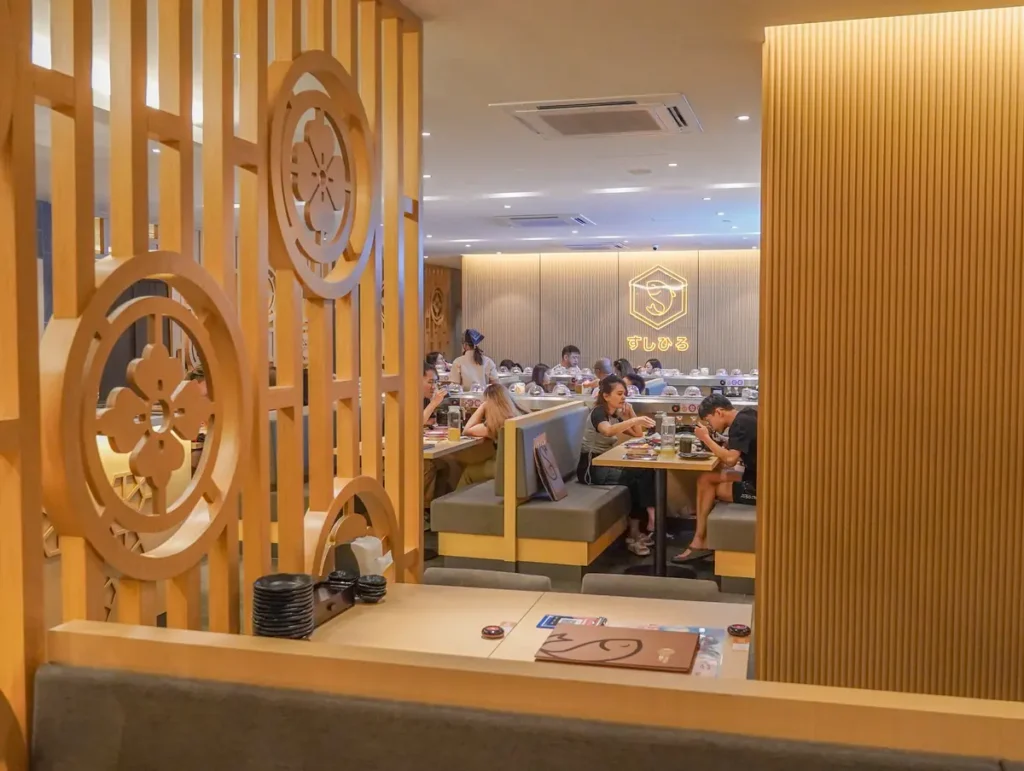
How a conveyor belt changes things
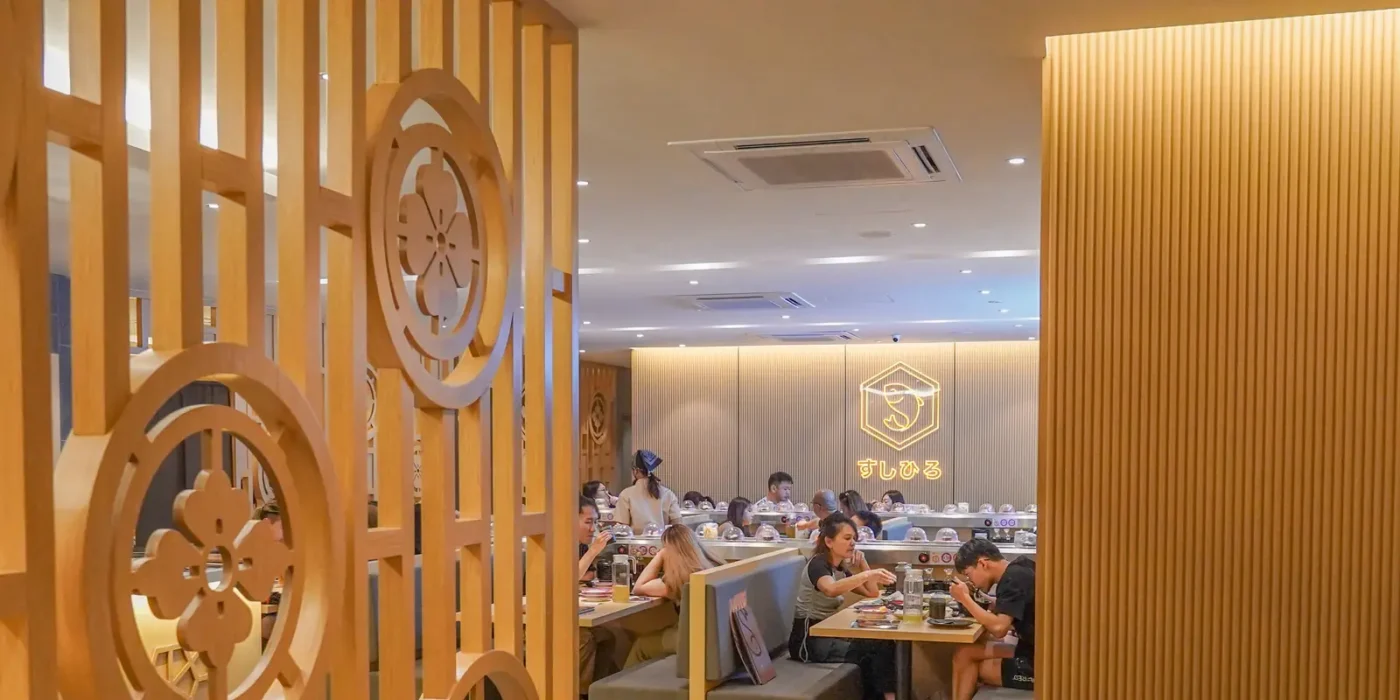
At a kaiten restaurant there is no ordering, waiting and hoping. You sit down and you are eating within about fifteen seconds. Plates travel past, you lift whichever ones you want, and you stack the empties beside you as you go.
Colour tells you price — ours are RM2.20, RM3.30 and RM5.50 — so you can keep a running total in front of you without asking anybody or doing any sums.
That format quietly solves the two things people dread about trying something unfamiliar: committing to a whole meal you might not like, and not knowing what anything costs until the end. One plate is a very small bet. If you hate it, the next one is thirty seconds away.
A few bits of etiquette, lightly held
Dip fish-side down, so the rice does not drink the soy and fall apart halfway to your mouth. Do not stir wasabi into the soy dish like a paste — there is already a trace of it under the fish. Ginger is a palate cleanser between plates rather than a topping. And nobody minds if you use your fingers; hand rolls are designed for exactly that.
None of this is a test, and nobody is marking you. A chef would far rather you enjoyed it incorrectly than sat there worrying about doing it properly.
Where it came from, briefly
It began as a way of keeping fish edible rather than as a delicacy. Packed in fermenting rice, the fish kept for months and the rice was thrown away. Somewhere along the line people started eating the rice too, the fermenting gave way to vinegar, and by the nineteenth century street stalls in Edo were selling the fast, fresh version that most of the world now recognises.
It was street food long before it was ever fine dining, which is worth holding on to if the whole idea feels slightly intimidating.
What it costs, roughly
Three or four plates and a drink makes a light lunch. Six to eight makes a proper meal. Add a rice bowl or a bowl of ramen if small plates on their own do not fill you up.
Our restaurants are open 11:30am to 9:30pm daily and sit in neighbourhood shoplots with open-air parking rather than mall basements, which saves a ticket and twenty minutes at each end.
How much should I order?
More than you think, and in smaller steps than you think. Start with three plates. Eat them. Decide again.
Because nothing is committed in advance there is no real way to over-order, and the stack beside you keeps everybody honest. Most adults land somewhere between six and ten plates of sushi, usually with a bowl of something hot alongside.
Eating it with children
This is where the format earns its keep. Children who would refuse a plate put in front of them will happily lift one that goes past, because the choosing was theirs.
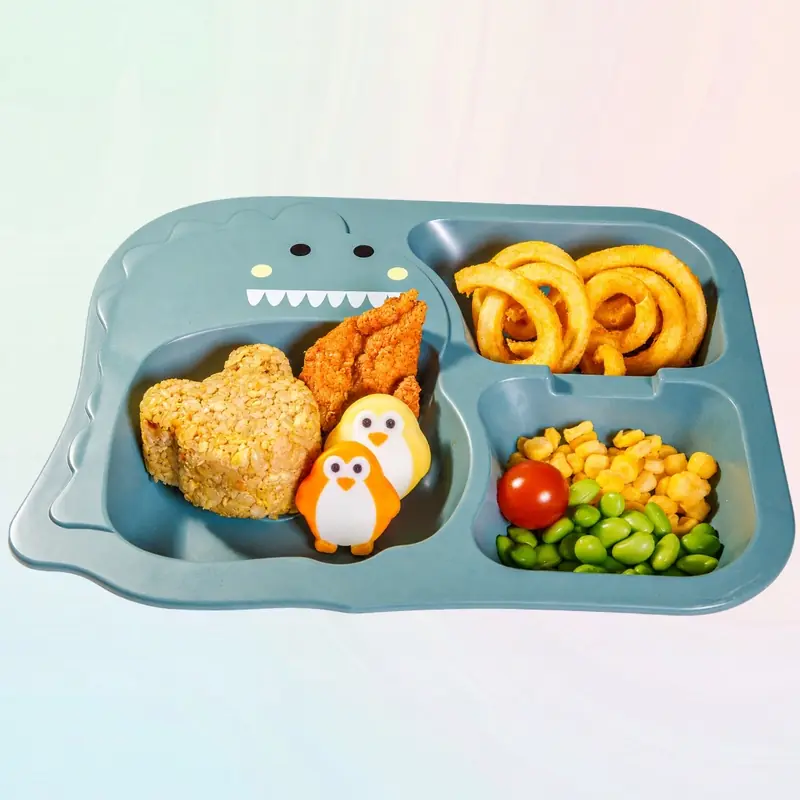
There is a kids menu for ages twelve and below if that fails, high chairs at every restaurant, kids cutlery on request, and the belt itself keeps younger ones occupied through the part of a meal that usually goes wrong. You are welcome to bring your own birthday cake too — if you want to decorate, call the restaurant a few days ahead so the team can plan where to seat you.
Start with these three
If you want a short list for a first visit: inari, tamago, and a piece of torched salmon.
One is sweet and familiar, one is a plain omelette, and one is the gentlest possible introduction to fish — torched just enough that it stops reading as raw. If the third one lands, the rest of the belt opens up on its own.
What it is not
Not all raw. Not expensive by default. Not governed by a long list of rules you can fail at. And not one fixed thing either — what comes round our belt is Japanese technique with Malaysian tastes let in, spicy karamiso and mentai mayonnaise and mango salsa included. That is a fusion rather than a reproduction, and we would rather describe it plainly than claim a tradition we are happily bending.
Our food is prepared in a central kitchen that has been JAKIM halal certified to MS 1500 since May 2026, and our USJ Taipan restaurant has held its own certificate since 6 November 2026. The others are not yet certified.
Browse the menu by category or find your nearest restaurant.