Japanese Food Beyond Sushi: 8 Dishes Worth Ordering
Ask most people in Malaysia what Japanese food looks like and they will describe raw fish on rice. Fair enough — but it is a narrow view of a very broad kitchen, and it means a great many good things go unordered.
Here are eight worth trying on your next visit, none of which involve lifting anything off a belt.
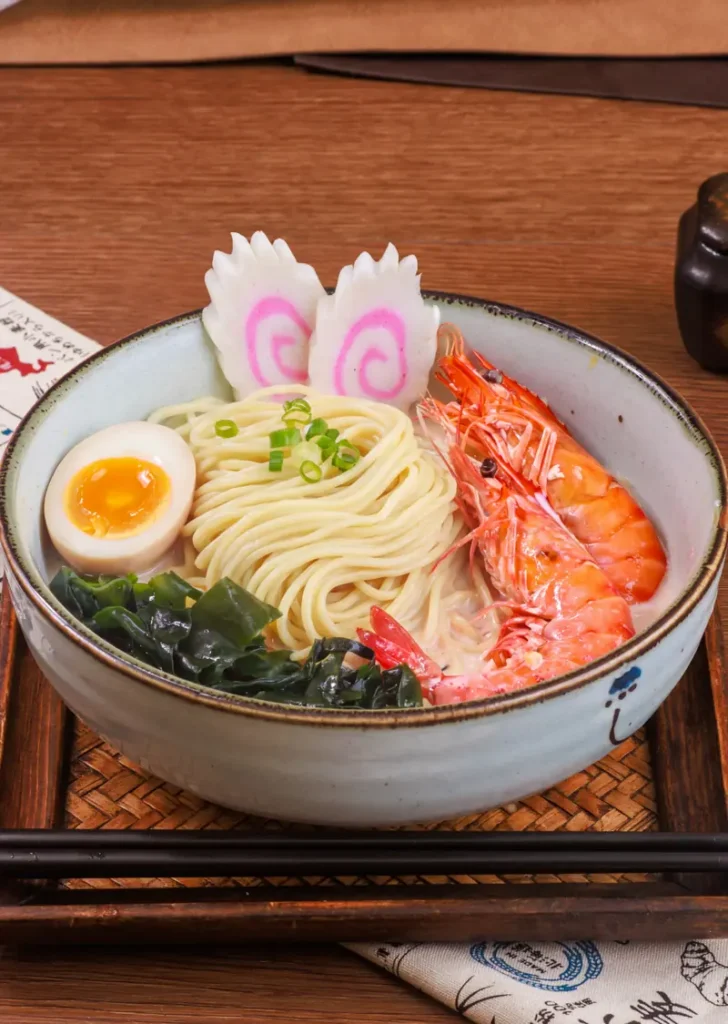
1. Ramen
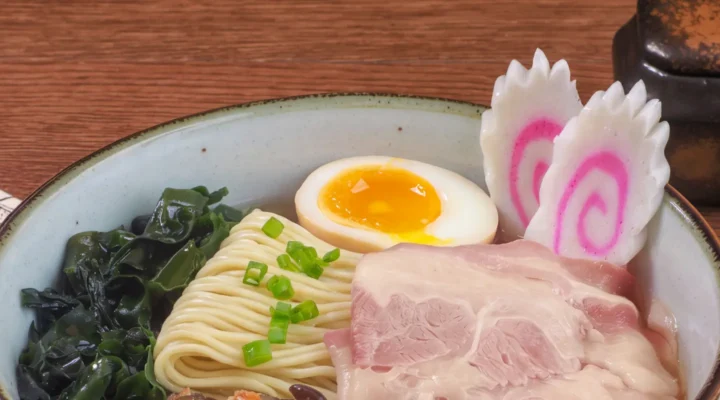
Noodles in a long-cooked broth, and the broth is the part that takes the work. Gyuzan with Aussie beef, tora ebi with prawn, hotate with scallop, asari with clams.
On a wet evening it is the most comforting thing we serve, and it is the dish most likely to convert somebody who thinks they have no interest in this kitchen at all.
2. Donburi
A bowl of rice with something generous on top. Tekka don with tuna, bara chirashi with a scatter of different cuts, unagi don with glazed eel, salmon oyako don with the fish and its roe together.
If small plates leave you hungry — and for a lot of people they do — this is the section to look at first rather than last.
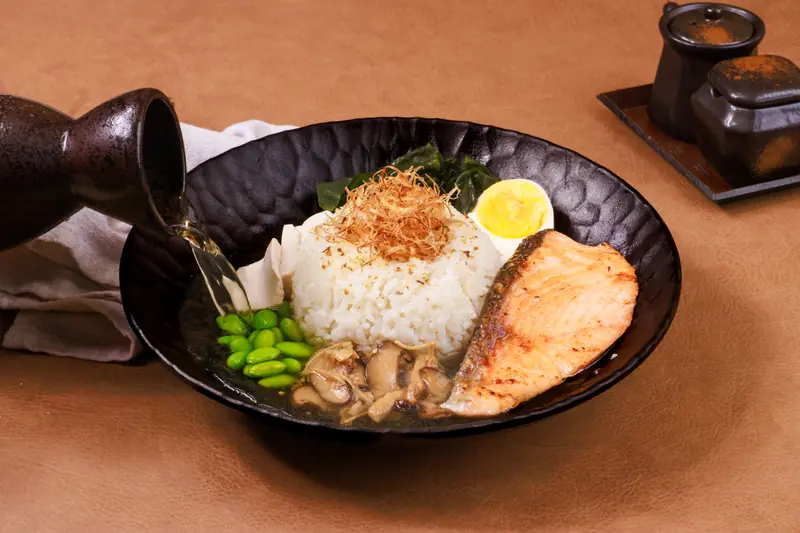
3. Ochazuke
Rice in a fragrant tea broth, poured at the table, with salmon or eel on top. Quiet, savoury and warming, and the dish we recommend to anybody who finds cold plates unappealing on a rainy day.
It is also the thing most people walk straight past and then regret once somebody else at the table orders it.
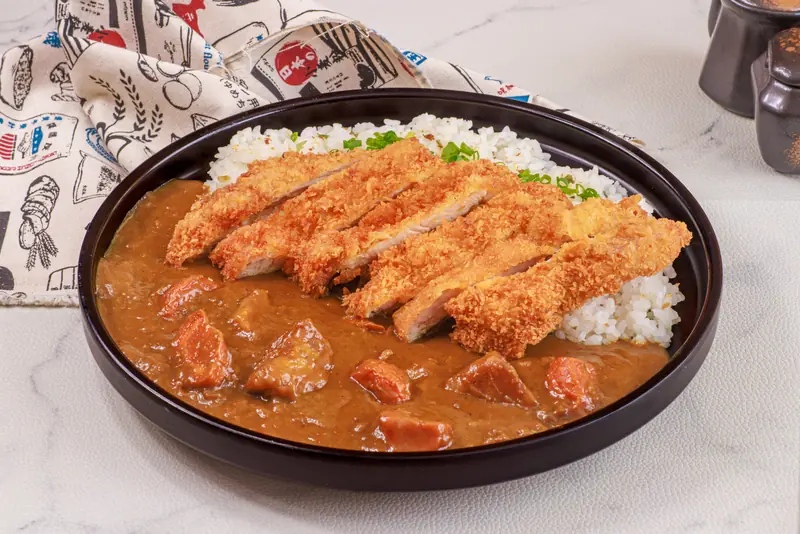
4. Katsu curry rice
Breaded chicken, crisp, over rice with a thick and mild curry. Entirely cooked, entirely familiar, and the reliable answer for anybody at the table who is suspicious of everything else on the list — children very much included.
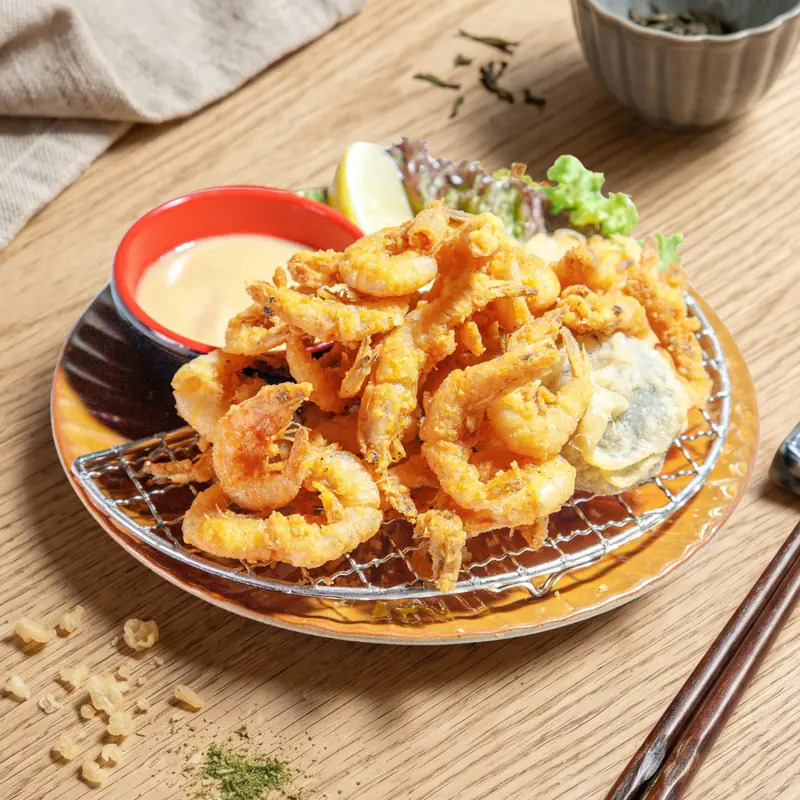
5. Tempura
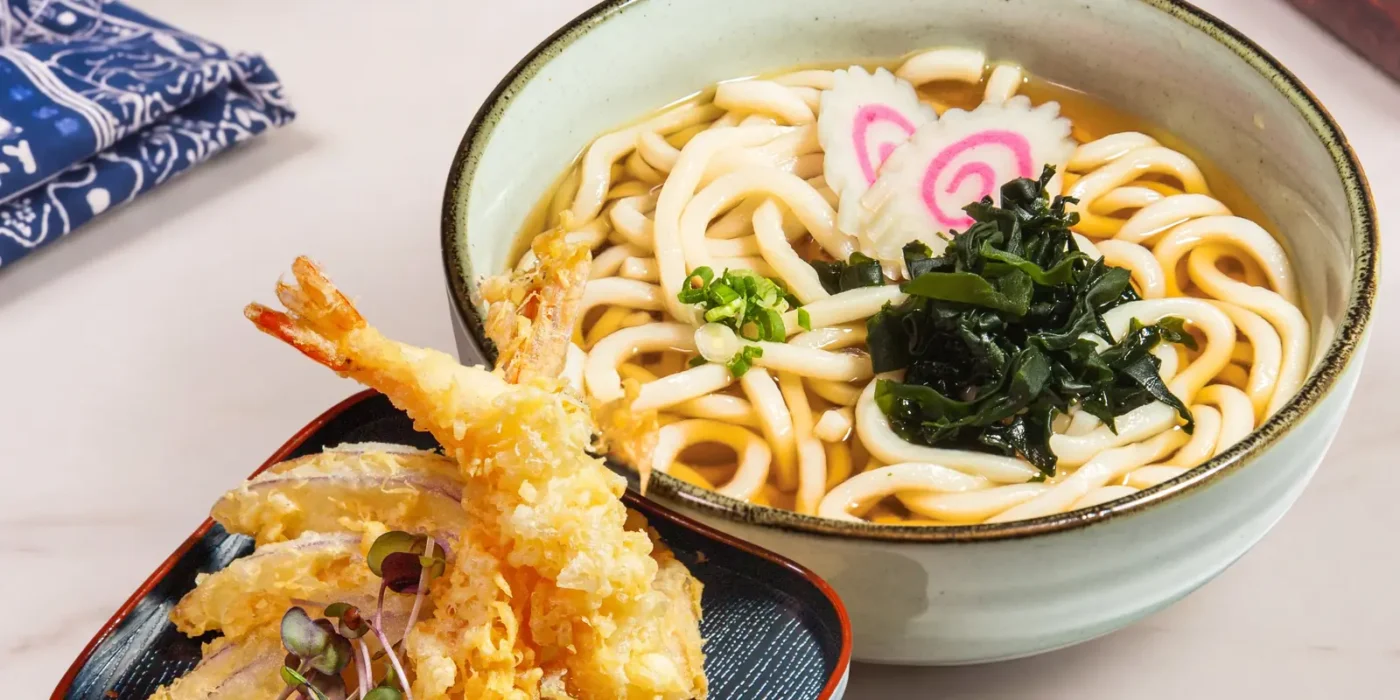
Battered and fried prawn and vegetables, light rather than heavy when it is done properly. The test of a tempura kitchen is whether the batter shatters or bends.
Order it with udon in dashi broth and you have one of the better cheap lunches anywhere in this kitchen.
6. Nabemono
A hotpot brought to the table bubbling, meant to be shared. Underrated in a hot country, for fairly obvious reasons — but a vegetable nabemono between two people on a quiet evening is a genuinely good meal, and it is the one dish here that cannot be hurried.
7. Yakimono
Things from the grill. Saba shioyaki is mackerel, salted and grilled until the skin crisps and the flesh comes away in sheets.
Plain, cheap and completely unforgiving, which is exactly why it is worth ordering: it tells you within one mouthful whether a kitchen is paying attention.
8. Agemono and zensai
The small fried and cold starters — karaage, agedashi tofu, gyoza, wakame salad, edamame. Send two to the middle of the table as soon as you sit down and the rest of the meal goes more calmly.
What ties it together
Our kitchen takes Japanese technique and lets Malaysian tastes in — spicy karamiso, mentai mayonnaise, mango salsa in a taco temaki, truffle where a traditional chef would almost certainly not put it.
We call that fusion because that is what it is. We would rather describe it honestly than claim a tradition we are quite happily bending.
What it costs
Belt plates are RM2.20, RM3.30 and RM5.50 by colour. Everything in this article is cooked to order from the folder instead, so it arrives hot and is priced individually in the restaurant.
Most of these are the size of a proper meal rather than a snack, so a bowl of ramen plus three or four plates off the belt is a reasonable way for one person to eat without over-ordering.
Which to order first if you only try one
Ramen, on a rainy evening. Katsu curry, if you are bringing somebody sceptical. Ochazuke, if you want the thing most people miss.
And if you are ordering for a table with children at it, start with tempura and karaage. They arrive quickly, they are recognisable, and nobody argues about them.
The things that travel badly
Worth knowing before you order anything to take home. Tempura and anything else fried should be eaten where it is served — twenty minutes in a box and the batter has gone soft and sad. Hotpots do not travel at all.
Rice bowls and rolls hold up far better, so if half the order is coming home with you, that is where to put it.
If you are cooking it at home instead
Three things make most of the difference, and none of them are difficult to find here.
Short-grain rice rather than long-grain, because the stickiness is structural rather than a texture preference — long-grain simply will not hold. A decent soy, used sparingly rather than poured. And dashi, which is the savoury backbone under a surprising amount of Japanese food: miso soup, udon broth, the sauce on an oyakodon.
Get those three right and simple dishes stop tasting like approximations of themselves.
What to drink with it
Green tea, mostly, and it is there to reset your palate between things rather than to match a flavour. Cold water does the same job perfectly well.
There is no alcohol on the list — soft drinks and yuzu are the alternatives. A sweet drink does fight most of this food, which is why the people who eat here often end up with the plainest thing on the menu in front of them.
Where to eat it
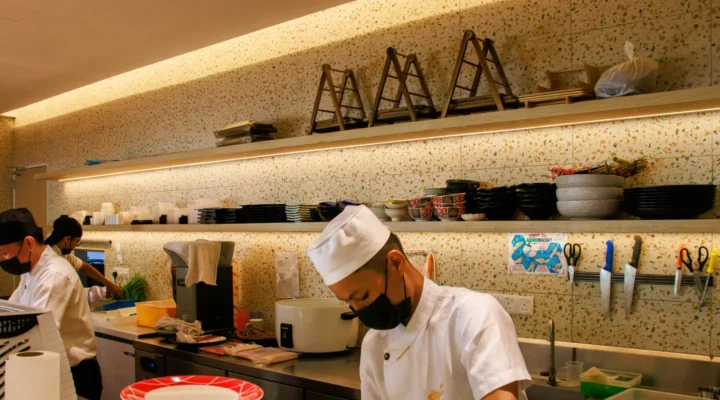
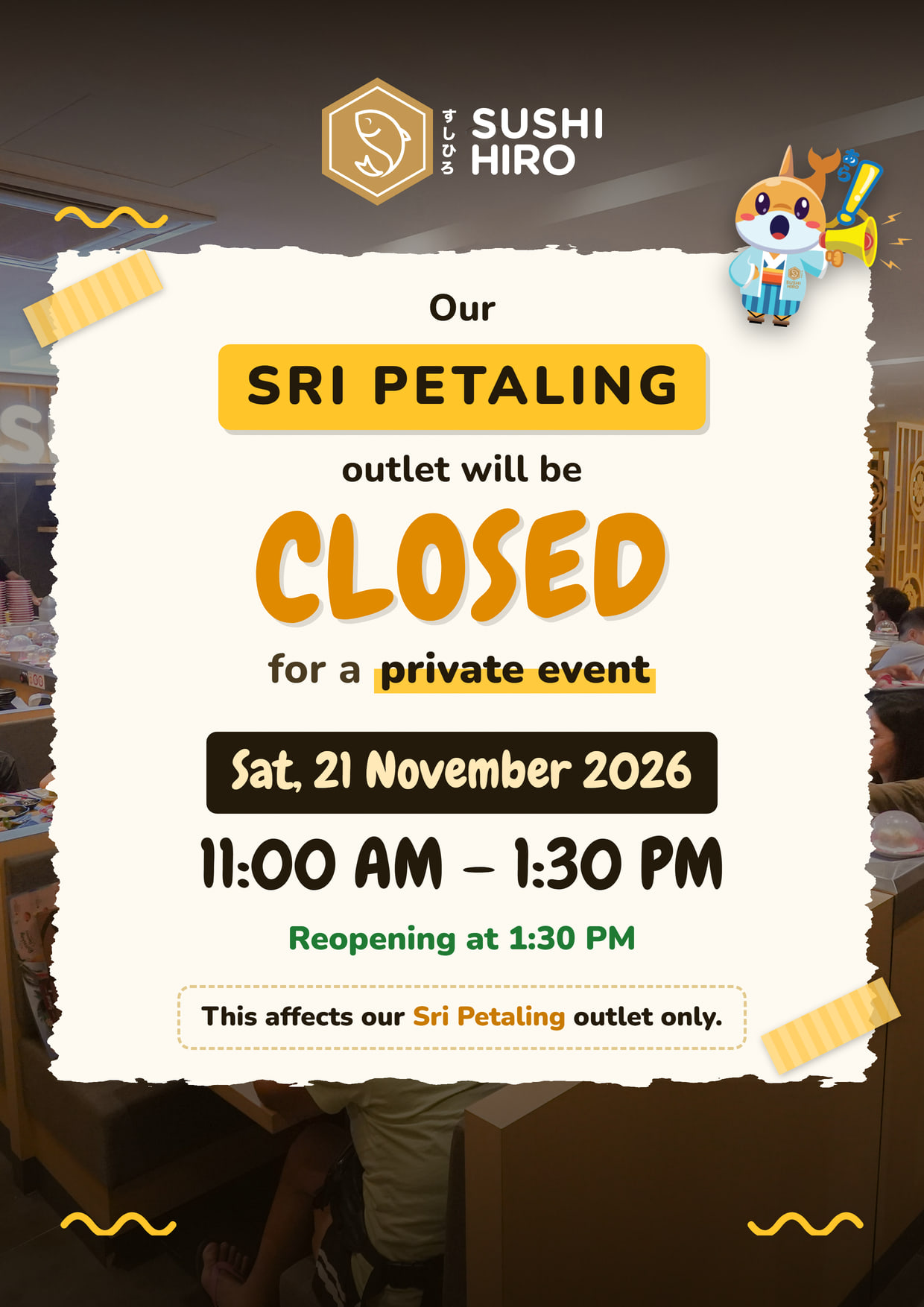
Our restaurants are in Sri Petaling, SS2 in Petaling Jaya, Bandar Puteri in Puchong, Bandar Menjalara in Kepong, USJ Taipan in Subang Jaya and Bandar Bukit Raja in Klang, open 11:30am to 9:30pm daily, with Seremban opening in December 2026. Each outlet page carries the address, the phone number and a map.
Our food is prepared in a central kitchen that has been JAKIM halal certified to MS 1500 since May 2026, and our USJ Taipan restaurant has held its own certificate since 6 November 2026. The remaining restaurants are not yet certified.
Browse every category on the menu or find your nearest restaurant.